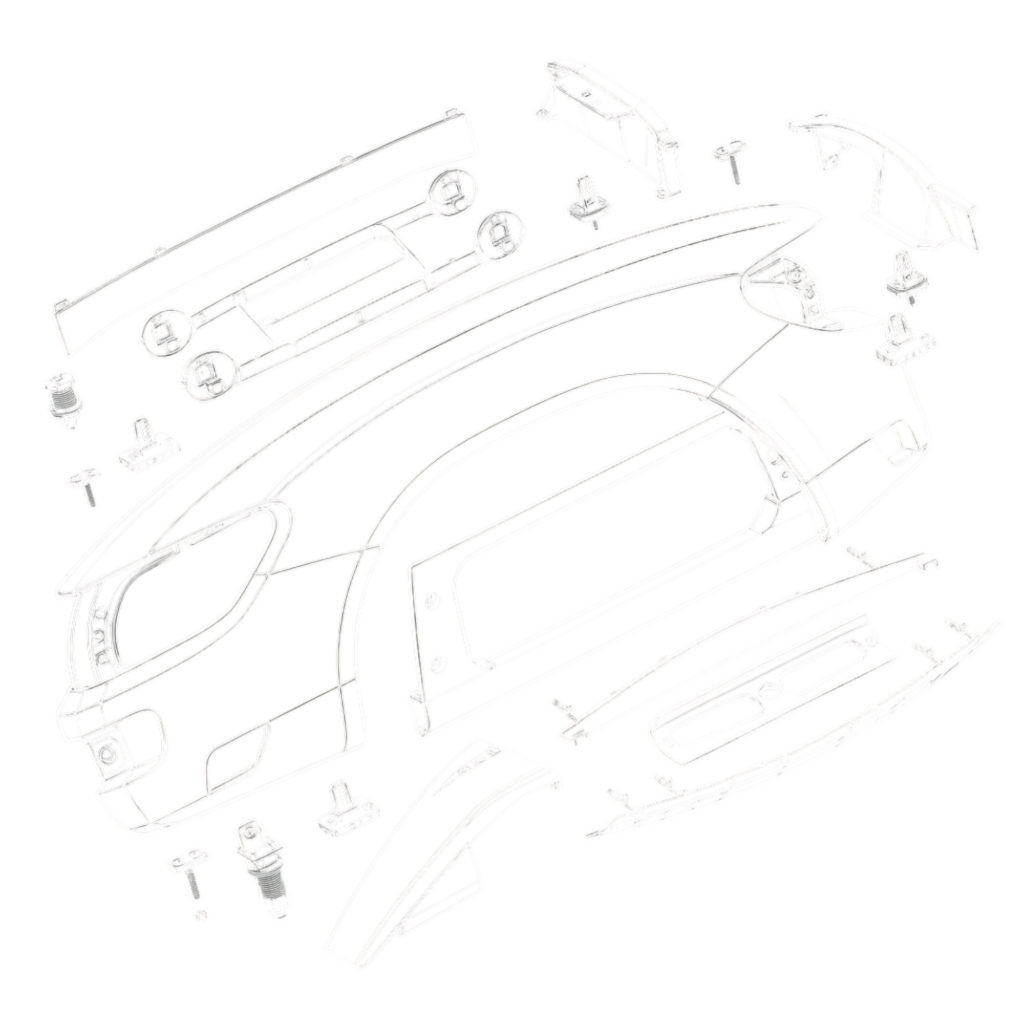
Concept to Prototype
Great manufacturing starts long before the first part comes off the line. At Laval, we transform ideas, concepts, and engineering challenges into precision-built prototypes—bridging the gap between what’s imagined and what’s manufacturable. By combining advanced engineering, innovative tooling strategies, and precision machining, we turn early-stage concepts into tangible solutions designed to perform in the real world.
From the first digital model to the first physical prototype, every stage is engineered with purpose. Our concept-to-prototype process allows designs to be tested, refined, and optimized before moving into full-scale production—accelerating development, reducing uncertainty, and creating a smarter path from idea to innovation.
Scroll To Discover
Case Study: Taiga
Our strength lies in mastering the full composite lifecycle—tooling, automation, and production working as one seamless system. This allows us to move quickly without sacrificing precision, adapt designs without slowing momentum, and deliver production-ready solutions that meet the demands of next-generation BEV platforms.
Composite Concept Development
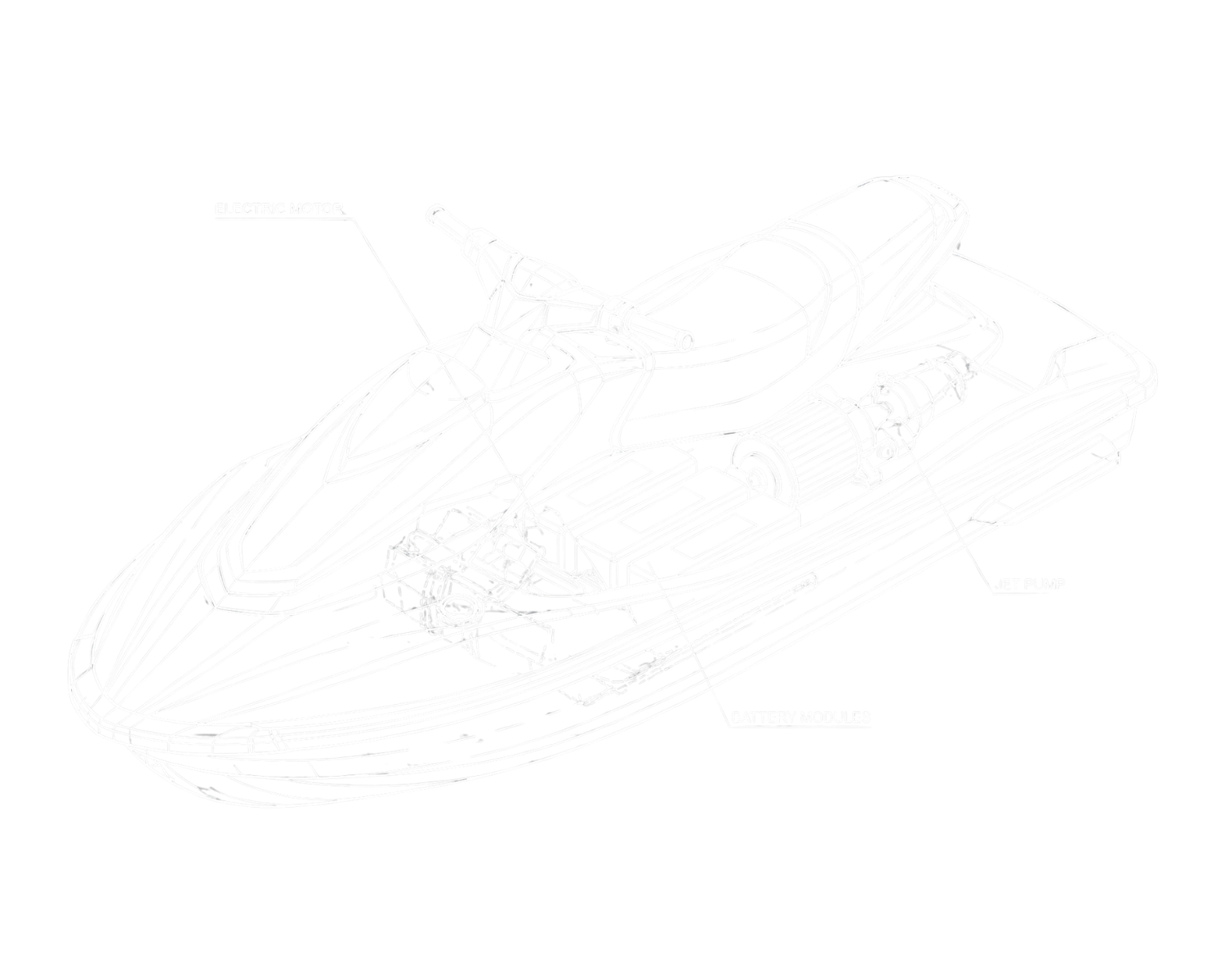
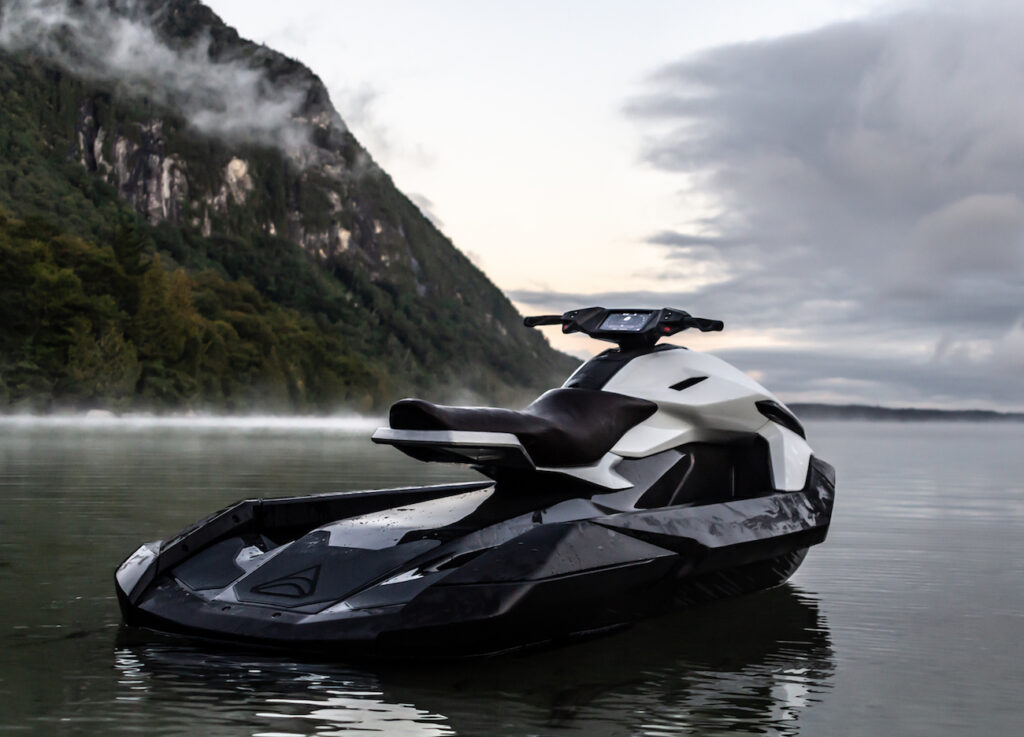
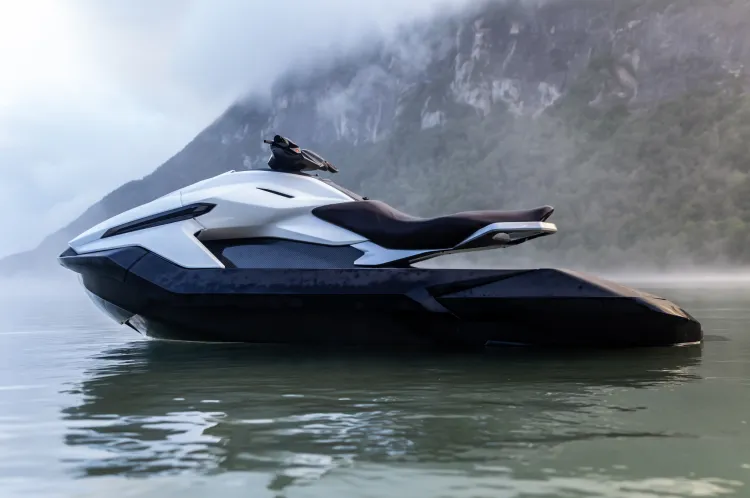
The project began with carbon-fibre, vacuum-bagged hull and deck prototypes for a limited-production electric jet ski. Significant part variation created uncertainty around repeatable routing, assembly, and leak-free sealing.
Prototype Routing and Fit Validation
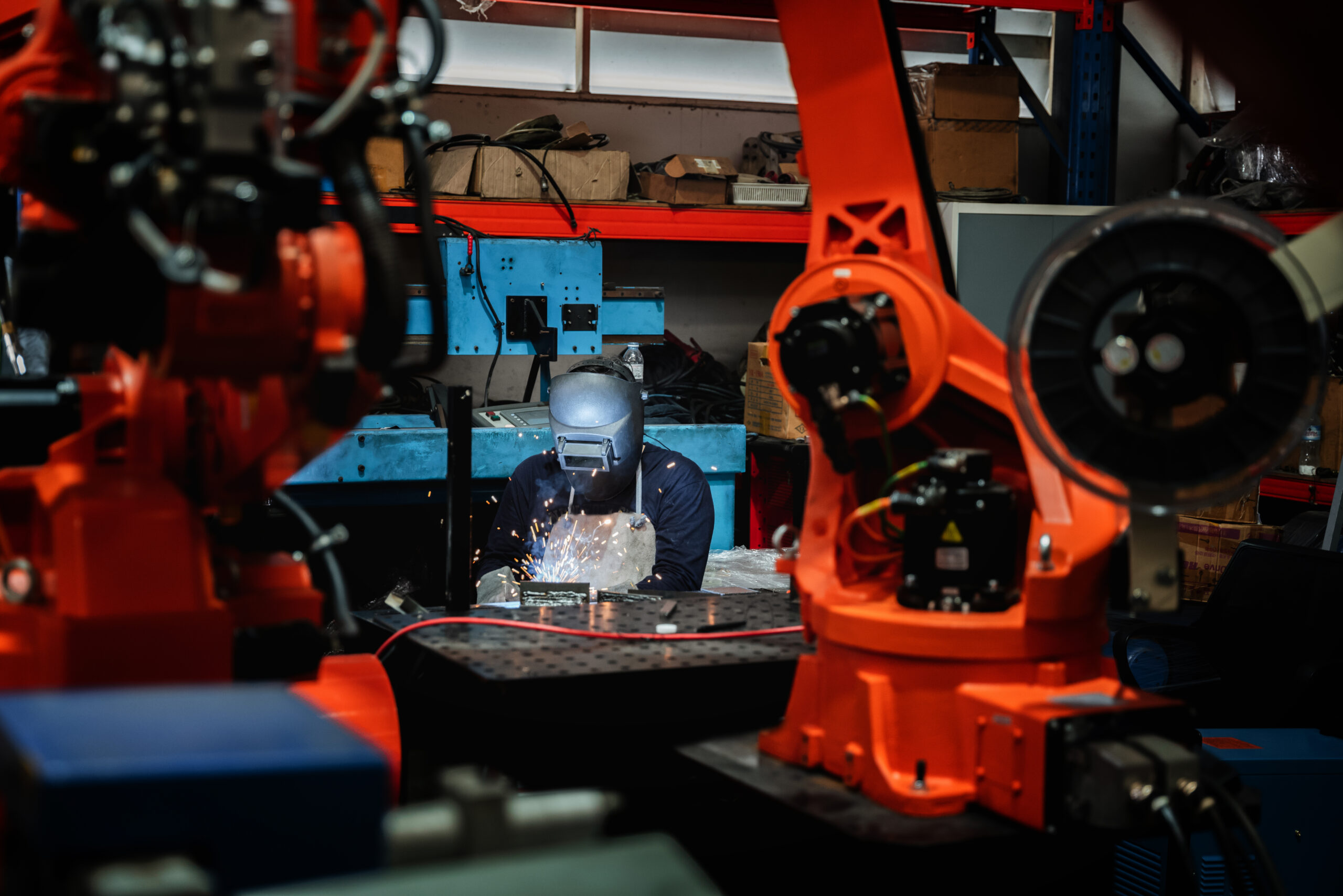
Laval developed robotic routing fixtures and programs capable of processing parts from three hull moulds and three deck moulds. Trials evaluated whether all combinations could be interchangeably assembled.
Critical Feature Alignment
The fixtures were refined to control 71 mounting features while maintaining alignment of the motor, pump plate, and output bushing. Prototype combinations were repeatedly routed and fitted to address inconsistent composite geometry.
Conversion to SMC Design
To improve repeatability and production capability, the hand-laid carbon-fibre design was converted to compression-moulded SMC. The part geometry was redesigned to accommodate material flow, shrinkage, shear-edge finishing, and moulded-in features.
Structural Composite Development
Wall thickness increased from 2.5 mm to 4.4 mm in the bulkhead, while attachment features increased from 2.5 mm to 5 mm. Rib patterns, draft angles, flow run-offs, and delayed core-side ejection were developed to strengthen mounting bosses and prevent gas traps.
Functional Part Prototypes
SMC prototypes were produced and evaluated for hull-to-deck fit, sealing, weight, surface deflection, attachment strength, and impact and drop-test performance. The resulting prototypes demonstrated a viable path from variable hand-laid carbon-fibre parts to repeatable composite parts suitable for semi-production.
Get In Touch
Let us know how we can help you start your project.
(519) 737-1323
(519) 737-1747
office@lavaltool.net
4965 Concession Road 8, Tecumseh, ON N0R1K0