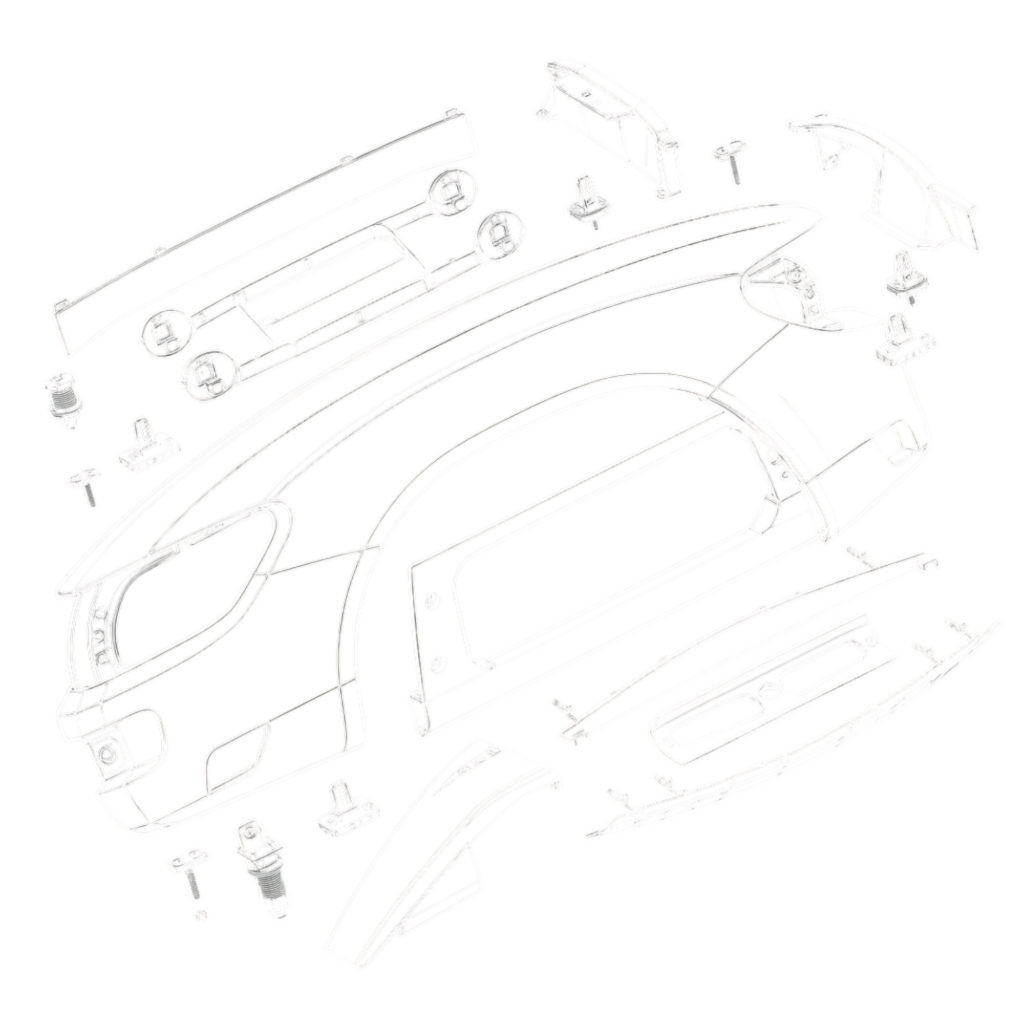
Advanced Materials Solutions
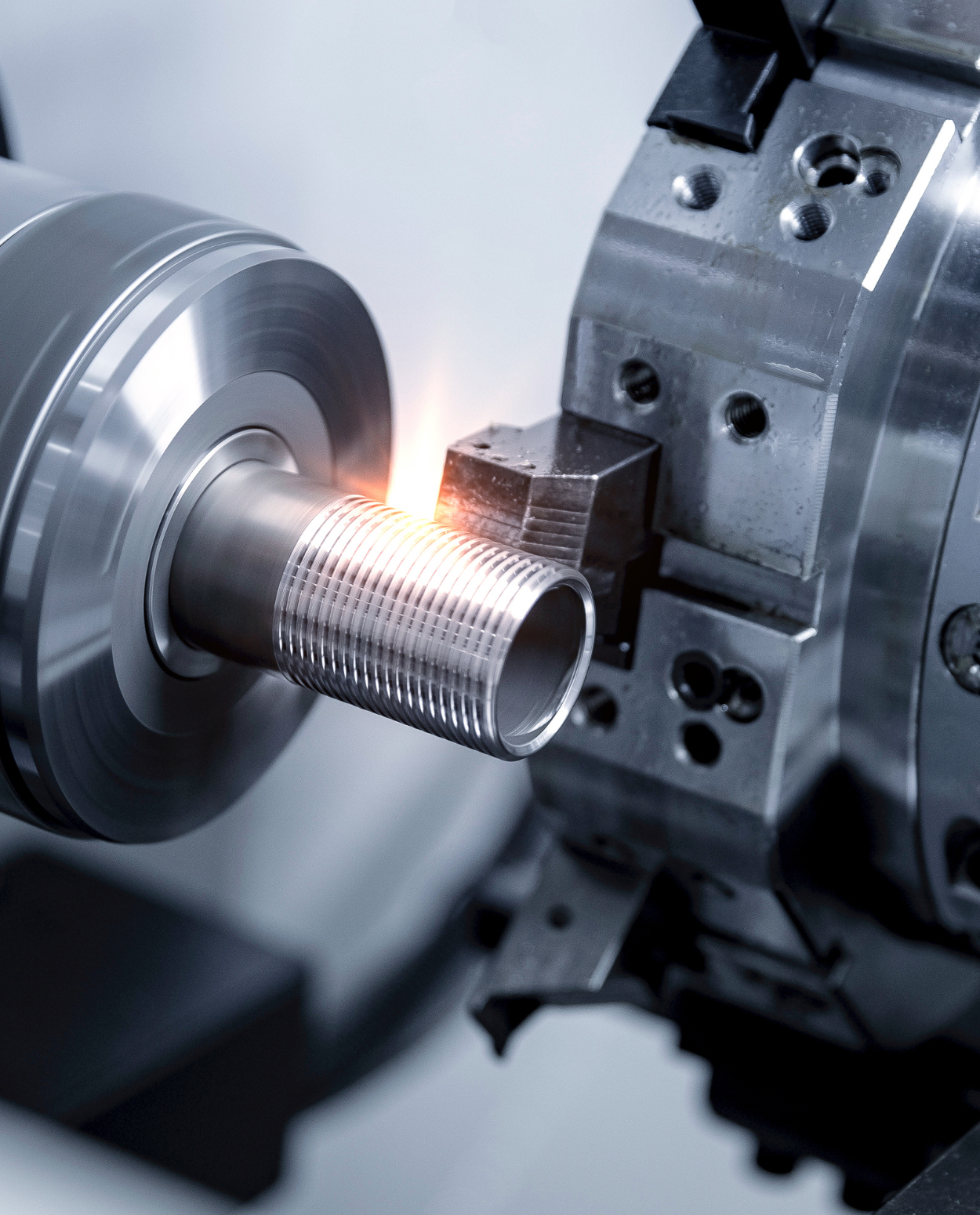
The future of manufacturing demands materials that can do more. Laval brings together material science, engineering expertise, and precision manufacturing to tackle applications where conventional materials simply aren’t enough. From high-performance alloys and engineered composites to emerging material technologies, we help transform the possibilities of tomorrow into practical solutions for today.
By understanding how materials behave under extreme conditions, demanding tolerances, and real-world production environments, we engineer solutions around performance—not limitations. The result is smarter material selection, optimized tooling, and components built to withstand the demands of the next generation of manufacturing.
Scroll To Discover

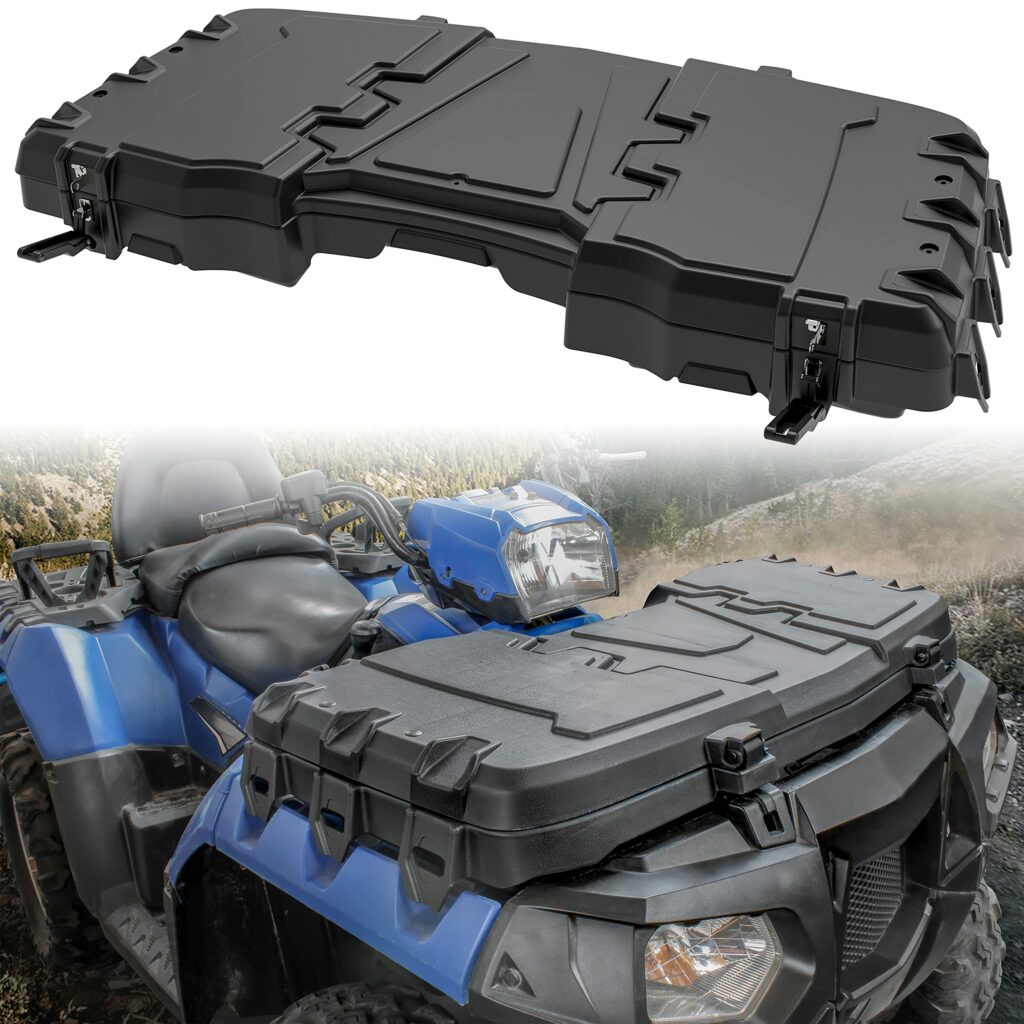
Case Study: Polaris ATV Cargo Box
Our strength lies in mastering the full composite lifecycle—tooling, automation, and production working as one seamless system. This allows us to move quickly without sacrificing precision, adapt designs without slowing momentum, and deliver production-ready solutions that meet the demands of next-generation BEV platforms.
Established Advanced Material Requirements
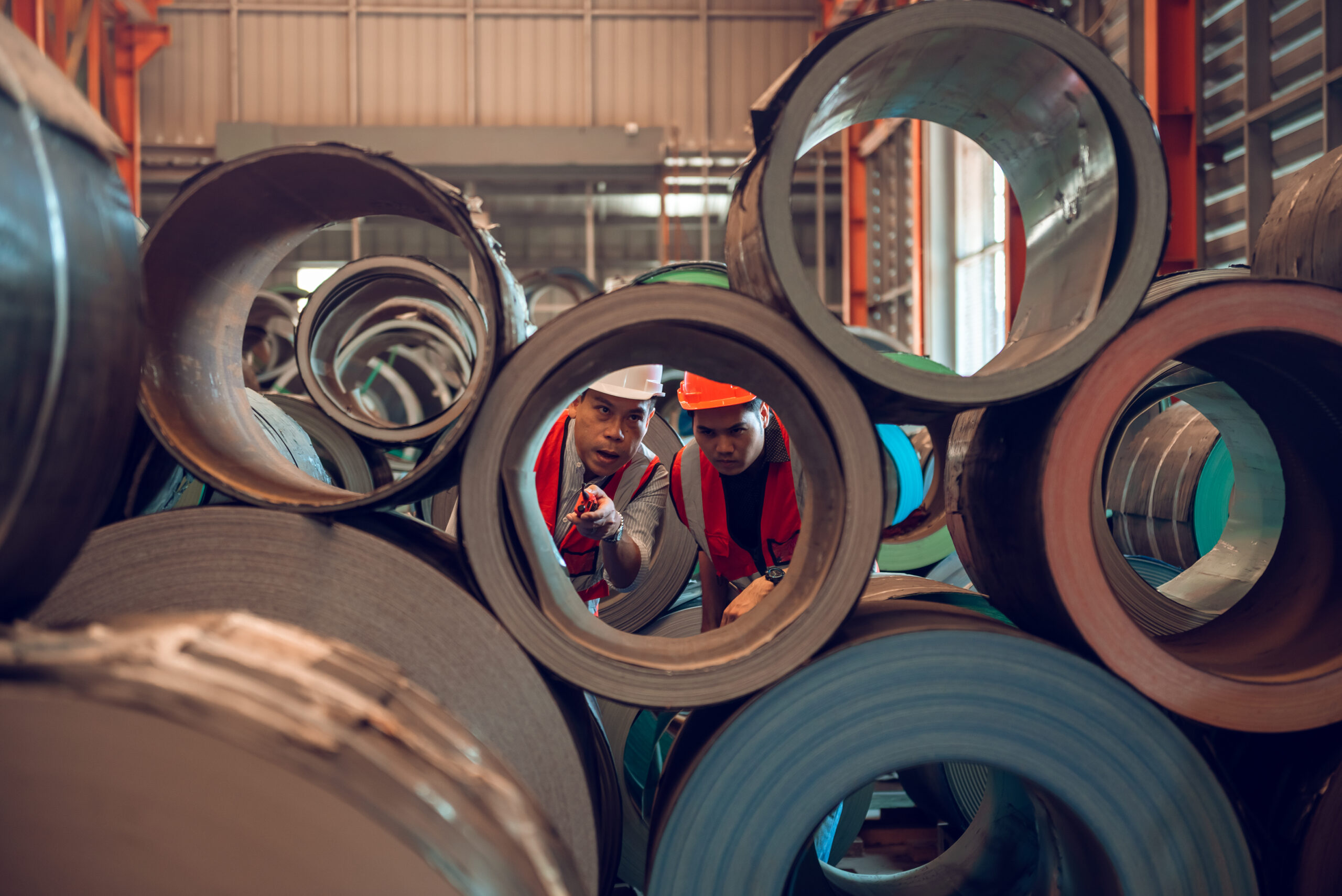
Laval sought to replace the existing injection-moulded cargo box with a lighter, stronger GMT composite part capable of reducing chassis reinforcements, and hold heavier cargo without damaging. The material also needed to meet flame resistance, full UV protection and Class “A” appearance requirements.
Developed and Evaluated New Material Formulations
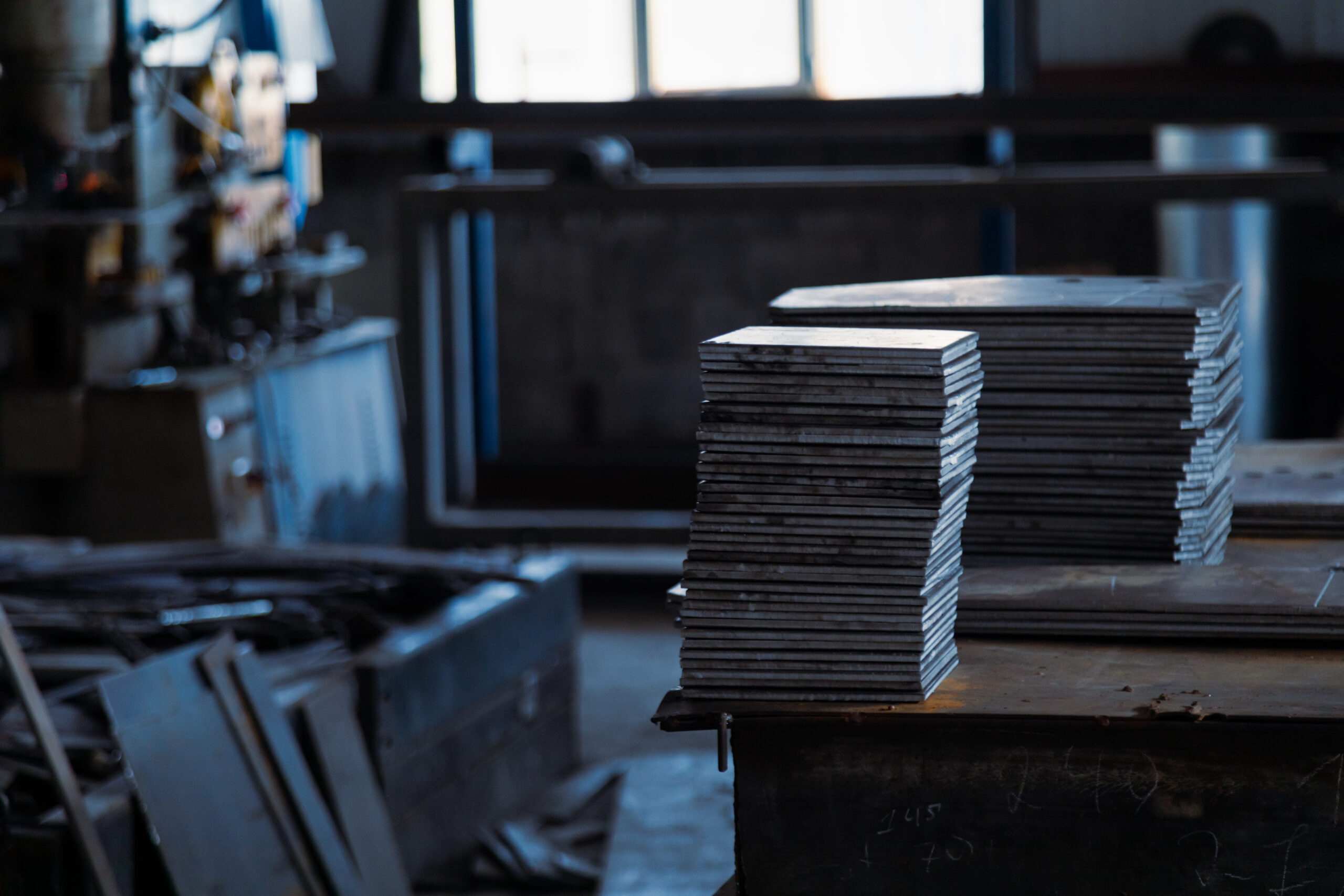
GMT RD30 was selected as the starting material, but the required flame-retardant additive restricted material flow and made it difficult to fill the complex part geometry. Multiple formulations were evaluated by changing the flame-retardant component and resin system to improve flow and mouldability.
Defined the Material Processing Window
Systematic trials varied material temperature from approximately 400°F to 455°F and mould temperature from 150°F to 200°F. Repeated trial runs established that approximately 450–455°F material temperature and 200°F mould temperature provided the most effective flow conditions.

Optimized the Material Charge Pattern
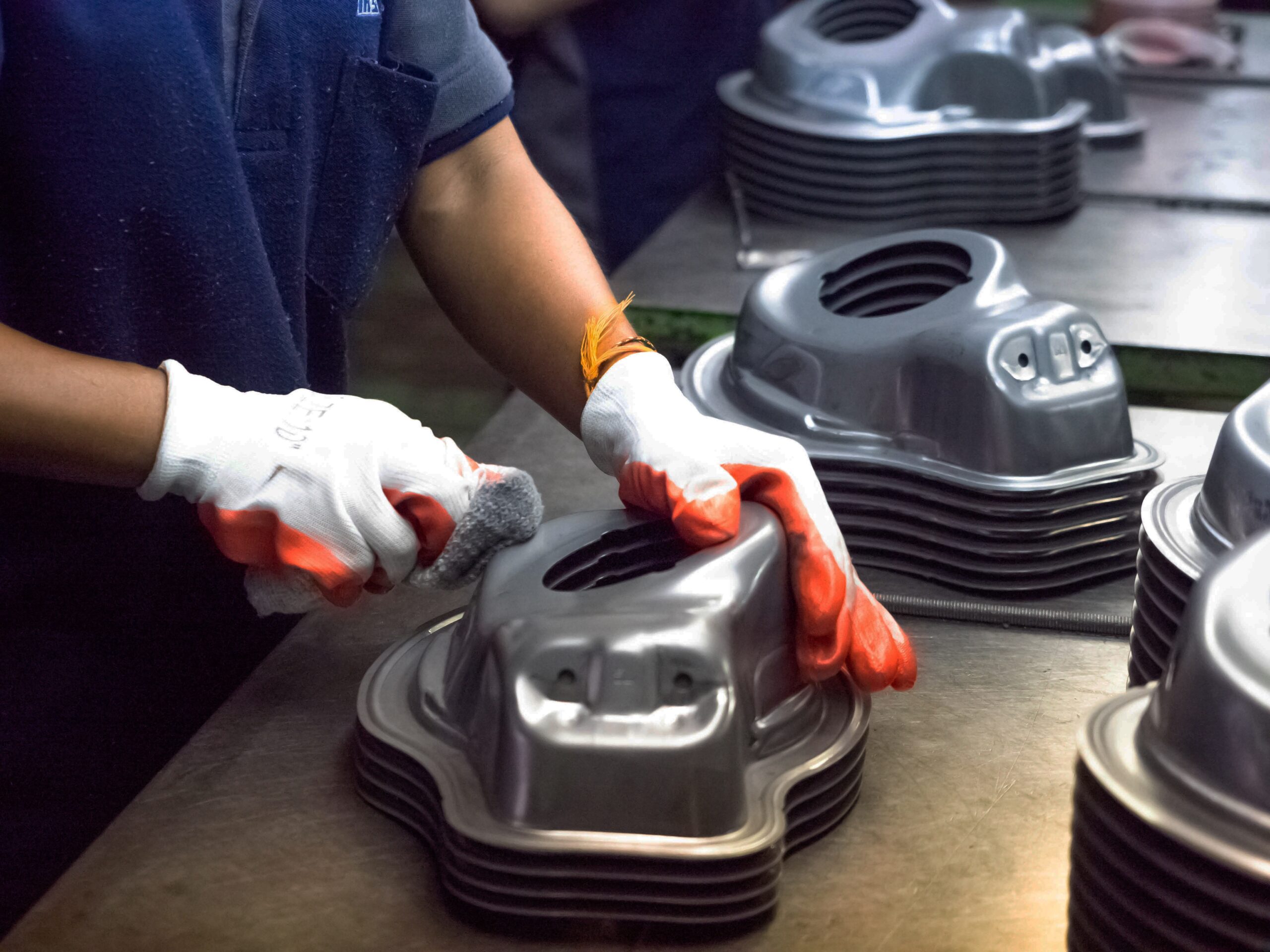
One-piece, two-ply, three-ply and four-ply charge patterns were tested at different sizes and locations. The trials demonstrated that charge thickness, position and the orientation of the material’s cut edges had a significant effect on filling, surface appearance and scrap.
Balanced Material Flow Through Press Positioning
The mould was progressively offset within the press to align the pressure centre with the material charge. A six-inch offset improved material distribution, reducing scrap from approximately 90% during early trials to 5% during a sustained 50-part production run.
Improved the Class “A” Surface and Identified the Remaining Material Gap
Testing confirmed that exposed cut edges caused unacceptable white lines. A six-ply, package-folded charge measuring 1,250 mm × 1,000 mm placed all cut edges on the B-side, producing an improved Class “A” surface with less than 5% scrap. The parts subsequently failed flame testing, confirming that further material formulation was required. Additional flame retardant was added to the material and achieved performance without sacrificing flow, strength or appearance.
Get In Touch
Let us know how we can help you start your project.
(519) 737-1323
(519) 737-1747
office@lavaltool.net
4965 Concession Road 8, Tecumseh, ON N0R1K0